Waking up from surgery can feel like a bit of a whirlwind. Between the recovery room haze and the excitement of being on the mend, there is a lot to process. One of the most important factors in getting back to your best self is what you put on your plate. A well-planned Post-Op Diet is not just about satisfying hunger. It is a strategic way to provide your body with the building blocks it needs to repair tissue, fight off potential infections, and regain your energy levels quickly.
While your medical team will provide specific instructions tailored to your procedure, understanding the general phases of nutritional recovery can help you feel more prepared. Healing takes a lot of energy, and your metabolism actually shifts into high gear while your body works to fix itself. This makes your food choices more critical than ever during this window of time. Let’s dive into how you can navigate your journey back to health with ease, focusing on the right textures and nutrients to get you back on your feet.
Planning Your Recovery Meals for Maximum Healing
When you first return home, the last thing you want to do is spend hours in the kitchen. Preparing your recovery meals in advance can be a total game changer for your stress levels and your health. Focus on meals that are easy to digest but high in the essential components that help skin and muscle tissue knit back together. This involves looking for ingredients that reduce inflammation and provide a steady stream of energy without causing spikes in your blood sugar.
Many people find that small, frequent meals are much easier to handle than three large ones. This approach keeps your metabolism steady and ensures you are getting a constant supply of nutrients throughout the day. It also helps if you are feeling a bit of nausea, which is quite common after anesthesia. Think about stocking your freezer with homemade soups, stews, and pre-portioned smoothies that can be ready in minutes. By having a plan for your recovery meals, you eliminate the temptation to reach for processed convenience foods that might actually slow down your healing process due to high sodium or sugar content.
Navigating the Initial Liquid Diet Phase
Immediately after surgery, your digestive system may be moving a bit slowly. This is why many doctors recommend a liquid diet phase for the first twenty four to forty eight hours. This phase is designed to be very gentle on your stomach and intestines while ensuring you stay hydrated. It is not meant to be a long term solution, but rather a bridge that helps your body wake up and start functioning normally again.
Transitioning from Clear to Full Liquids
In the very beginning, you will likely start with clear liquids. This includes things like apple juice, broth, plain gelatin, and tea. Once your body shows that it can handle these items without any distress, you can usually move on to full liquids. This is a bit more exciting because it allows for more variety and better nutrition. Full liquids include things like milk, cream-based soups that have been strained, yogurt that does not have fruit chunks, and protein shakes. Protein shakes are particularly helpful here because they provide the amino acids necessary for wound healing even when you are not yet ready for solid food.
Moving Toward a Soft Food Progression
As your appetite returns and your doctor gives the green light, you will enter the soft food progression stage. This is a critical middle ground where you start reintroducing texture without putting too much strain on your system. The goal here is to choose foods that are naturally soft or can be easily mashed with a fork. This phase is often the favorite for many patients because it starts to feel like eating real meals again.
Best High Protein Soft Foods
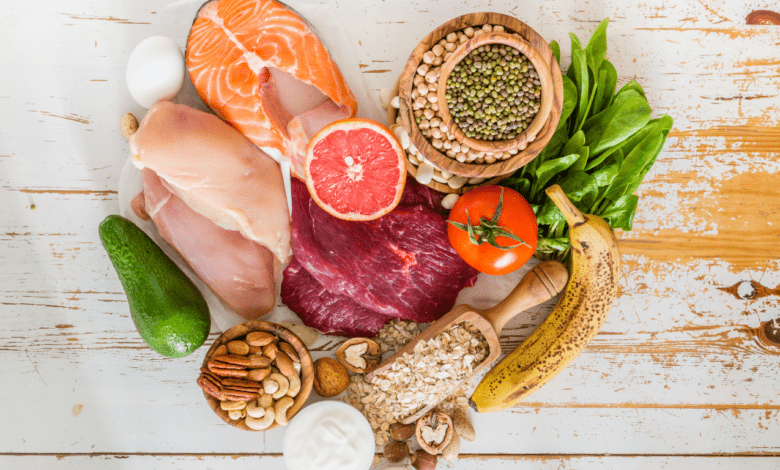
During this soft food progression, protein remains your best friend. Scrambled eggs are a classic choice because they are easy to chew and packed with high quality protein. Greek yogurt is another fantastic option as it provides probiotics which are great for your gut health, especially if you have been taking antibiotics. You might also consider flaky white fish, well-cooked beans, or tofu. For those who enjoy meat, slow cooked chicken or turkey that has been shredded can be very easy on the digestive tract. Mashed vegetables like sweet potatoes, carrots, or squash are also excellent because they provide the fiber you need to keep your digestion moving smoothly without being tough to chew.
Prioritizing Nutrient Dense Healing for Longevity
While calories are important for energy, the quality of those calories matters even more. Focusing on nutrient dense healing means choosing foods that offer a high concentration of vitamins and minerals per bite. Vitamin C and Zinc are two of the most important nutrients to look for. Vitamin C is essential for the production of collagen, which is the primary protein found in your skin and connective tissues. You can find this in citrus fruits, bell peppers, and strawberries. Zinc is a powerhouse for the immune system and can be found in poultry, beans, and seeds.
Do not forget about the power of healthy fats. Omega three fatty acids, found in things like salmon or flaxseeds, can help manage inflammation around your surgical sites. While it might be tempting to treat yourself to sugary snacks while you rest, try to stick to whole foods as much as possible. High sugar intake can actually increase inflammation and potentially slow down the wound healing process. By keeping your diet focused on nutrient dense healing, you are giving your body the best tools to recover fully and perhaps even feel better than you did before your procedure.
The Importance of Hydration After Surgery
One of the most overlooked aspects of a post-surgical plan is hydration after surgery. Water is involved in every single chemical reaction in your body, including those that repair your cells. Anesthesia and certain medications can be very dehydrating, so replacing those fluids is a top priority. Proper hydration also helps to flush out the toxins from the medications used during your procedure and keeps your kidneys functioning at their peak.
If plain water feels a bit boring, you can try infusing it with slices of cucumber, lemon, or mint. Some people find that sipping on room temperature water is more comfortable than ice-cold water in the days following surgery. Electrolyte drinks can also be beneficial if you have been losing fluids, but be sure to choose versions that are low in added sugars. Avoiding caffeine and alcohol is also a good idea during the early stages of recovery, as both can lead to further dehydration. Staying on top of your hydration after surgery will help reduce fatigue and keep your mind feeling sharp as you recover.
Conclusion
Successfully navigating your Post-Op Diet is one of the most proactive steps you can take toward a smooth and speedy recovery. By understanding the importance of moving through the liquid and soft food phases and prioritizing nutrient dense meals, you are directly supporting your body’s amazing ability to heal itself. Remember to listen to your body and follow the specific guidelines provided by your healthcare provider. With a little bit of preparation and a focus on high quality nutrition and hydration, you will be back to your usual routine before you know it. Take it one meal at a time, and give yourself the grace to heal at your own pace.