
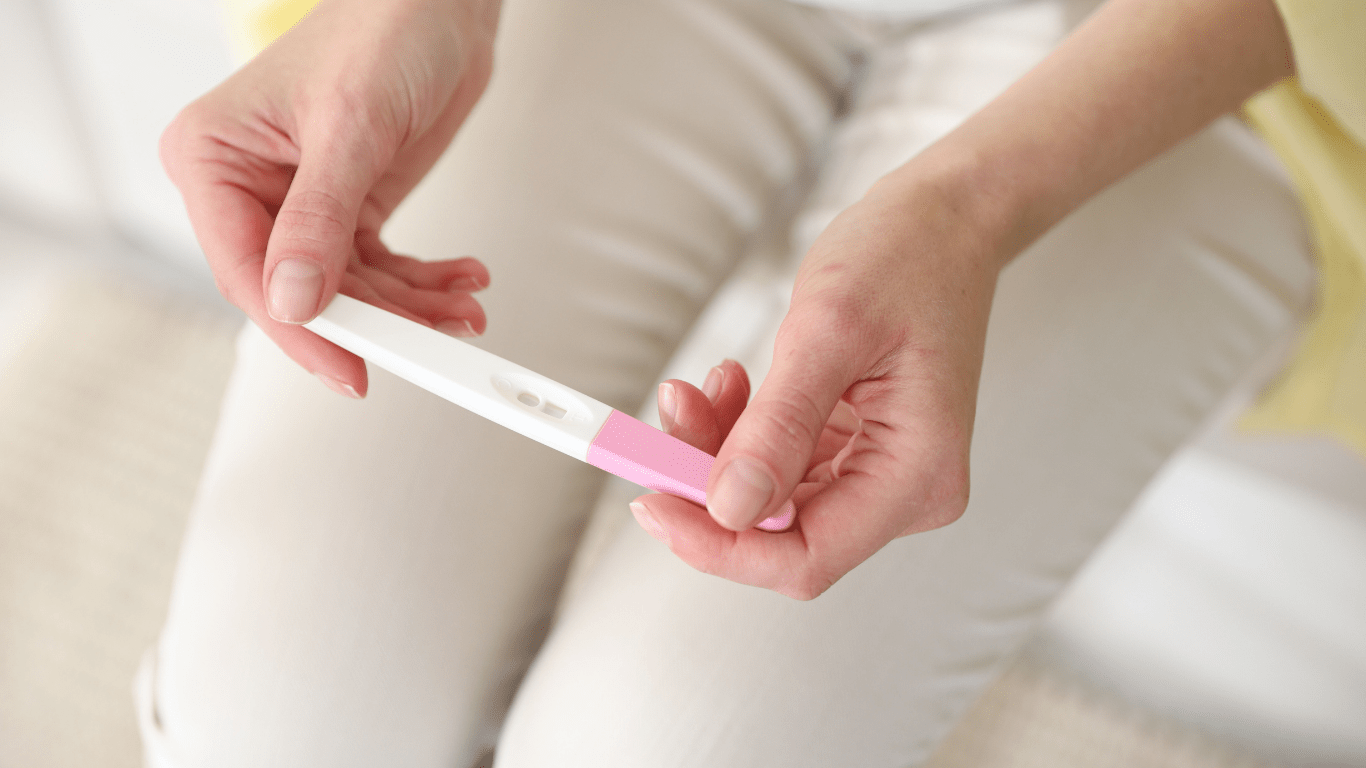
Deciding to start a family is an exciting milestone in life, and if you have undergone weight loss surgery, you might be wondering how your body will handle the changes. The good news is that many women go on to have healthy, successful experiences with pregnancy after bariatric surgery. While your journey may require a few extra steps and careful planning, the positive health outcomes associated with weight loss can actually make your pregnancy safer and more manageable.
It is completely normal to have questions about nutrition, timing, and prenatal care when you have had a procedure like a gastric sleeve or gastric bypass. Because your body processes nutrients differently now, working closely with your healthcare team is the most important part of your preparation. By understanding the specific needs of your post-bariatric body, you can focus on enjoying this special time while ensuring you and your growing baby stay nourished and strong.
Essential Nutrition Guidelines for Post-Bariatric Moms
When you are preparing for pregnancy after bariatric surgery, nutrition becomes your top priority. Bariatric procedures are designed to restrict how much you can eat and, in some cases, how many nutrients your body absorbs. During pregnancy, your demand for vitamins and minerals increases significantly. This is why strict adherence to your bariatric vitamin regimen is non-negotiable.
Your primary focus should be on protein intake and micronutrient supplementation. Developing a meal plan that centers on lean proteins is vital for the development of your baby. Because you may feel full much faster than the average person, it is often helpful to focus on high-quality nutrition density rather than volume. Small, frequent meals can help you meet your caloric goals without causing the discomfort of overeating or dumping syndrome.
Managing Micronutrient Deficiencies
A major part of post-bariatric health is ensuring you do not develop deficiencies in iron, calcium, Vitamin B12, or folate. Pregnancy naturally drains these reserves, so you will need to have your blood levels tested regularly by your obstetrician and your bariatric surgeon. These blood panels should be checked at regular intervals throughout each trimester to catch any potential drops before they become a health concern.
Hydration and Digestive Health
Hydration is often overlooked, but it is critical when your stomach capacity is reduced. Sipping fluids throughout the day rather than gulping them with meals is a habit you likely formed after your surgery, and it is even more important during pregnancy. Staying hydrated helps manage pregnancy symptoms like fatigue and constipation, which can be more pronounced after weight loss surgery. If you struggle to meet your fluid goals, try incorporating decaffeinated herbal teas or water infused with fresh fruit to make the process more enjoyable.
Recommended Timeline and Medical Monitoring
One of the most common questions patients ask is about the ideal time to conceive. Most medical experts strongly advise waiting at least 12 to 24 months following your procedure. This waiting period is critical because it allows your body to reach a stable weight and ensures that your metabolism has adjusted to your new anatomy. Attempting to get pregnant while your body is still in the rapid weight loss phase can deprive the fetus of essential nutrients and potentially complicate the development of the pregnancy.
During this transition, your medical team will likely monitor your weight gain closely. While gaining a healthy amount of weight is necessary for the baby, the recommendations for someone who has had bariatric surgery may differ from the standard guidelines for the general population. Your doctor will create a customized weight gain plan based on your body mass index and the specific type of surgery you had, ensuring that your health remains protected while your baby thrives.
Working with a Specialized Healthcare Team
Building a supportive healthcare team is the best strategy for a smooth pregnancy. Ideally, you want an obstetrician who has experience with bariatric patients. They will know exactly which tests to prioritize and how to interpret your blood work in the context of your surgical history. Coordination between your surgeon and your OB-GYN is essential. Keeping both specialists in the loop ensures that your prenatal care is comprehensive and safe.
Addressing Potential Pregnancy Complications
While complications are generally rare, being aware of potential risks is part of being prepared. Some women who have had bariatric surgery may experience issues like nausea or vomiting that are slightly more persistent than average. If you find it difficult to keep food down, do not hesitate to contact your doctor immediately. They can help you adjust your diet or provide supplements that are easier on your digestive system. Remember, you have already proven your strength and resilience by undergoing surgery; this next chapter is simply a new challenge that you are well-equipped to handle with the right support.
Conclusion
Embarking on a pregnancy after bariatric surgery is a safe and common path for many women. By prioritizing high-quality nutrition, maintaining your vitamin schedule, and staying in close communication with a team of supportive medical professionals, you can set the stage for a healthy delivery and a vibrant new chapter in your life. Focus on listening to your body, getting enough rest, and staying consistent with your follow-up appointments. With the right preparation, you can move forward with confidence, knowing you are doing everything necessary to give your baby the healthiest start possible. Always reach out to your primary medical team before making any changes to your routine to ensure that your plans align perfectly with your unique health needs.