
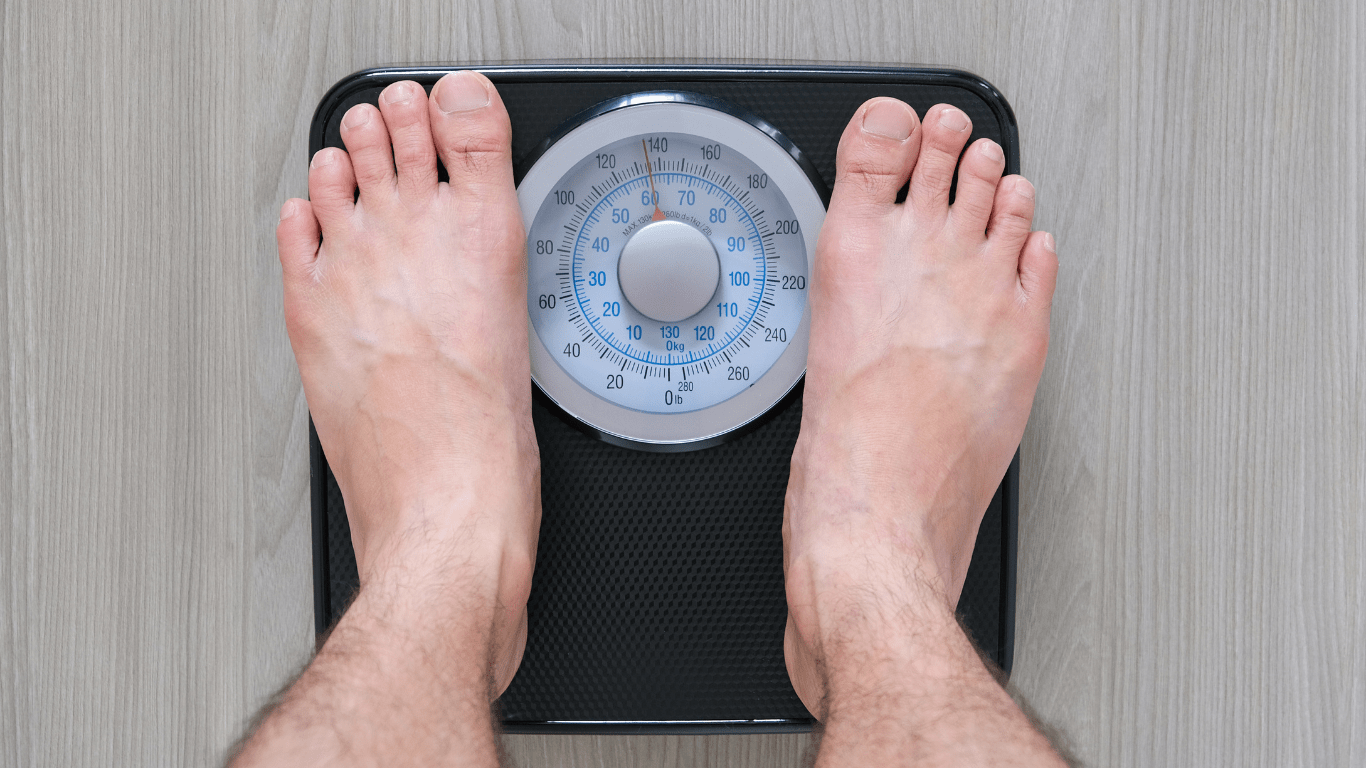
When we talk about carrying extra weight, the conversation often centers around how we look or how our clothes fit. But the real discussion needs to happen beneath the surface. Our bodies are complex networks where everything is connected, and excess weight can trigger a domino effect on our internal systems.
This connection is where obesity-related comorbidities come into play. These are secondary health conditions that develop or worsen because a person is carrying excess body fat. Understanding these conditions is not about body shaming; it is about empowering yourself with the knowledge to live a longer, healthier, and more vibrant life.
Fortunately, the narrative around health is changing. Today, we look at wellness holistically, focusing on how we feel, move, and thrive. Let us dive into what these health issues look like and how we can take charge of our well-being.
How Obesity Connects to Managing Chronic Health Conditions
When a person carries excess weight, it places extra physical and chemical stress on the body. This stress can lead to several long-term health issues. When it comes to managing chronic health conditions, recognizing the link between weight and these ailments is the first step toward effective treatment.
Our fat tissue is not just inactive storage. It acts like an endocrine organ, releasing chemicals and hormones that can cause chronic inflammation throughout the body. This persistent inflammation is a major contributor to many of the health struggles people face daily.
Cardiovascular Diseases and Heart Health
The heart has to work much harder to pump blood through a larger body. Over time, this extra strain can lead to high blood pressure, clogged arteries, and an increased risk of heart attacks or strokes. High cholesterol levels often go hand-in-hand with excess weight, making heart health a primary concern.
Type 2 Diabetes and Insulin Resistance
One of the most common links to excess weight is insulin resistance. When body cells stop responding properly to insulin, blood sugar levels rise. Over time, this can progress to type 2 diabetes, which affects how your body turns food into energy and can lead to nerve damage, kidney issues, and vision loss.
Joint Pain and Osteoarthritis
Every extra pound of body weight puts additional pressure on your joints, particularly your knees, hips, and lower back. This constant mechanical wear and tear can break down cartilage, leading to chronic pain, stiffness, and reduced mobility.
Sleep Apnea and Respiratory Issues
Excess fat around the neck can physically obstruct the airway during sleep. This leads to sleep apnea, a condition where breathing repeatedly stops and starts. Sleep apnea causes poor sleep quality, daytime fatigue, and puts even more stress on the cardiovascular system.
Taking Control with Lifestyle Changes for Weight Loss
While the list of associated health risks might seem overwhelming, there is incredible news. You do not have to achieve a perfect body standard to see massive health benefits. Even a modest reduction in weight can dramatically lower your risks and help reverse some of these conditions. Implementing sustainable lifestyle changes for weight loss can transform your health profile from the inside out.
Taking action does not mean jumping onto the latest crash diet or committing to an grueling workout routine that you hate. Instead, the focus should be on building consistent, healthy habits that align with your daily life.
Focus on Nutrient Dense Whole Foods
Instead of focusing entirely on restriction, try focusing on addition. Add more colorful vegetables, lean proteins, whole grains, and healthy fats to your plate. These foods keep you full longer, reduce inflammation, and provide your body with the vital nutrients it needs to function at its best.
Find Joy in Daily Movement
Exercise should not feel like a punishment. Find activities that you genuinely enjoy, whether that is dancing in your living room, walking through a local park, practicing yoga, or swimming. Consistent, moderate physical activity helps regulate blood sugar, lowers blood pressure, and boosts your mood.
Prioritize Sleep and Stress Management
We often underestimate the power of rest. Poor sleep and high stress release hormones like cortisol, which can increase appetite and make your body hold onto fat. Setting a regular bedtime and practicing relaxation techniques like deep breathing can make a significant difference.
Seek Professional Guidance
You do not have to navigate this health journey alone. Working with healthcare professionals, such as registered dietitians, fitness trainers, and your primary care physician, can help you create a personalized, safe, and highly effective plan tailored to your body’s unique needs.
Conclusion
Navigating obesity-related comorbidities can feel challenging, but understanding the connection between weight and overall wellness puts the power back in your hands. By focusing on small, consistent habits rather than quick fixes, you can protect your heart, support your joints, and improve your daily quality of life. Remember, every positive choice you make today is an investment in a healthier, happier tomorrow.