Embarking on a weight loss journey is a deeply personal and often challenging experience. For many individuals who have struggled with traditional methods like diet and exercise without seeing lasting results, surgical intervention becomes a powerful option for reclaiming health. One of the most common and effective procedures performed today is the roux en y gastric bypass. Often referred to as the gold standard of weight loss surgery, this procedure has a long track record of success and has helped countless people transition into a healthier version of themselves.
The roux en y gastric bypass is not just about weight loss. It is a metabolic procedure designed to change how your body processes food and manages hunger. By understanding how the surgery works, what the recovery looks like, and the long-term lifestyle shifts required, you can make an informed decision about whether this path is right for your unique health needs. This guide will walk you through everything you need to know in a simple, straightforward way.
How a Gastric Bypass Changes Everything
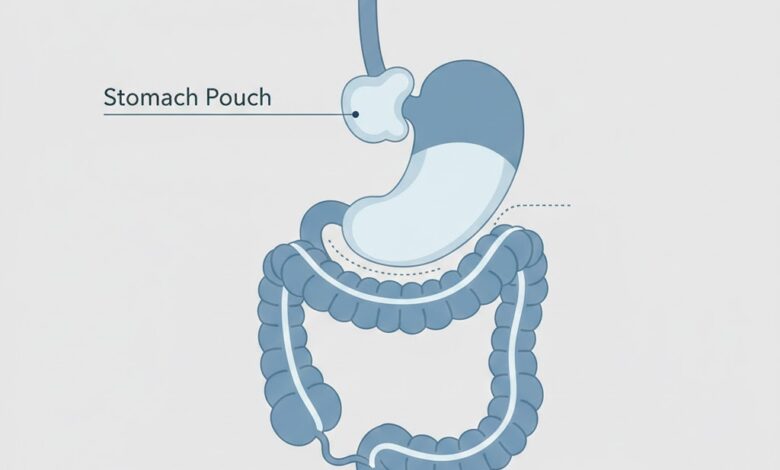
When you undergo a gastric bypass, the surgeon is essentially performing two tasks to help you lose weight. First, they create a very small pouch at the top of your stomach. This pouch is about the size of an egg and becomes your new stomach. Because this new space is so small, it significantly limits the amount of food you can eat at one time. You will feel full much faster than before, which naturally leads to a reduction in calorie intake.
The second part of the procedure involves rerouting your digestive system. The surgeon connects the small stomach pouch directly to a lower part of the small intestine, bypassing the rest of the stomach and the upper part of the small intestine. This is the roux en y part of the name. By skipping these sections, your body absorbs fewer calories and nutrients from the food you consume. This combination of eating less and absorbing less creates a powerful environment for significant and sustainable weight loss.
Beyond the physical changes to your anatomy, the surgery also impacts your hormones. Many people find that their hunger signals change almost immediately after the procedure. This is because the surgery alters the production of certain gut hormones that tell your brain when you are hungry or full. This hormonal shift is a major reason why many patients find it easier to stick to a healthy eating plan after the surgery compared to traditional dieting.
Benefits and Results of Gastric Bypass Surgery
The primary goal for most people choosing this procedure is to achieve a healthier weight. On average, patients can expect to lose a significant portion of their excess body weight within the first year or two following the operation. However, the benefits of the gastric bypass extend far beyond the numbers on a scale. One of the most impactful outcomes is the improvement or even complete resolution of obesity-related health conditions.
Improvements in Chronic Health Conditions
Many patients who suffer from type 2 diabetes find that their blood sugar levels stabilize almost immediately after surgery, sometimes even before they have lost a large amount of weight. Similarly, conditions like high blood pressure, high cholesterol, and obstructive sleep apnea often improve significantly. For many, this means they can reduce or even stop taking certain medications under the guidance of their doctor. The overall increase in quality of life and physical mobility allows patients to engage in activities they may have avoided for years.
Long Term Success and Maintenance
While the surgery is a powerful tool, it is important to view it as a fresh start rather than a quick fix. Long-term success depends heavily on the lifestyle changes you implement after the procedure. This involves choosing nutrient-dense foods, staying hydrated, and incorporating regular physical activity into your daily routine. Because your body absorbs nutrients differently after a bypass, you will also need to commit to taking daily vitamin and mineral supplements for the rest of your life to prevent deficiencies.
Preparation for Surgery
Before you head into the operating room, there is usually a preparation period that lasts several months. During this time, you will work with a team of experts, including surgeons, dietitians, and mental health professionals. They will help you understand the dietary changes you need to make and ensure you are mentally prepared for the transformation. Most programs require a pre-operative diet to shrink the liver and make the surgery safer. This phase is crucial because it sets the foundation for the healthy habits you will need to maintain after the surgery.
Recovery and Lifestyle Changes
The recovery process begins in the hospital, where you will usually stay for a day or two. In the beginning, your diet will be strictly liquid, gradually progressing to pureed foods, soft foods, and eventually solid foods over several weeks. It is vital to follow your surgeon’s specific dietary progression to allow your new stomach pouch to heal properly. You will also be encouraged to start walking shortly after the surgery to promote circulation and prevent complications.
As you transition into your new life, you will learn new ways of eating. Small, frequent meals become the norm, and you will need to chew your food very thoroughly. Drinking liquids while eating is generally discouraged, as it can push food through the pouch too quickly or cause discomfort. While these changes take time to get used to, they quickly become second nature as you start to feel the positive effects of your weight loss and increased energy levels.
Potential Risks and Considerations
Like any major surgical procedure, there are risks involved that you should discuss with your medical team. Potential complications can include infections, blood clots, or issues related to anesthesia. Specifically for this surgery, some patients may experience dumping syndrome, which occurs when food moves too quickly from the stomach into the small intestine. This can cause nausea, dizziness, and sweating, but it is often manageable by adjusting your diet and avoiding high-sugar foods. It is important to have an open and honest conversation with your surgeon about these risks so you can feel confident in your choice.
Conclusion
The roux en y gastric bypass is a life-changing procedure that offers a path toward improved health and vitality for those struggling with severe obesity. By combining physical restriction with metabolic changes, it provides a unique opportunity to overcome the hurdles that often make traditional weight loss so difficult. While the journey requires dedication, lifestyle shifts, and ongoing medical follow-up, the rewards of a longer, healthier, and more active life are well worth the effort. If you feel that you are ready to take the next step, consulting with a qualified bariatric specialist is the best way to determine if this procedure is the right tool for your success.