Embarking on a weight loss journey through bariatric surgery is a major life milestone that comes with plenty of excitement and a few learning curves. As you navigate your new lifestyle, you might hear other patients or your medical team mention a specific condition that can occur after meals. Understanding what is dumping syndrome after gastric bypass is essential for anyone looking to maintain their comfort and health after surgery. This condition is essentially your body’s way of reacting to certain foods that move too quickly from your stomach into your small intestine.
While the idea of a side effect might seem intimidating, it is actually a very manageable part of the recovery process. Most people find that once they learn the triggers, they can avoid the discomfort entirely. This guide will walk you through everything you need to know about why this happens, what the symptoms feel like, and how you can adjust your daily habits to stay feeling your best. By the end of this article, you will have a clear roadmap for managing your post-surgery nutrition and understanding your body’s unique signals.
Understanding Dumping Syndrome and the Gastric Sleeve
Many people wonder if this condition is exclusive to one type of surgery, but it can also affect those who have undergone a gastric sleeve procedure. Although it is more commonly associated with the bypass because of how the intestines are rerouted, patients who choose the gastric sleeve may still experience similar symptoms if they consume high-sugar or high-fat foods too quickly. In both cases, the primary cause is the rapid emptying of stomach contents. When you eat, the food usually stays in the stomach for a while to be broken down by acids. After surgery, the stomach is much smaller, and the natural valve that regulates food flow may be bypassed or altered. This allows food to dump into the small intestine before it is properly processed.
The presence of undigested food, especially concentrated sugars, pulls a significant amount of fluid into the small intestine from the surrounding tissues. This sudden shift in fluid is what leads to the physical symptoms that patients describe as a dumping episode. Whether you are recovering from a gastric sleeve or a bypass, your body is essentially sending you a loud message that it is overwhelmed by what you just consumed. Learning to listen to these signals is a vital part of your long-term success and comfort.
Early Dumping Syndrome Symptoms
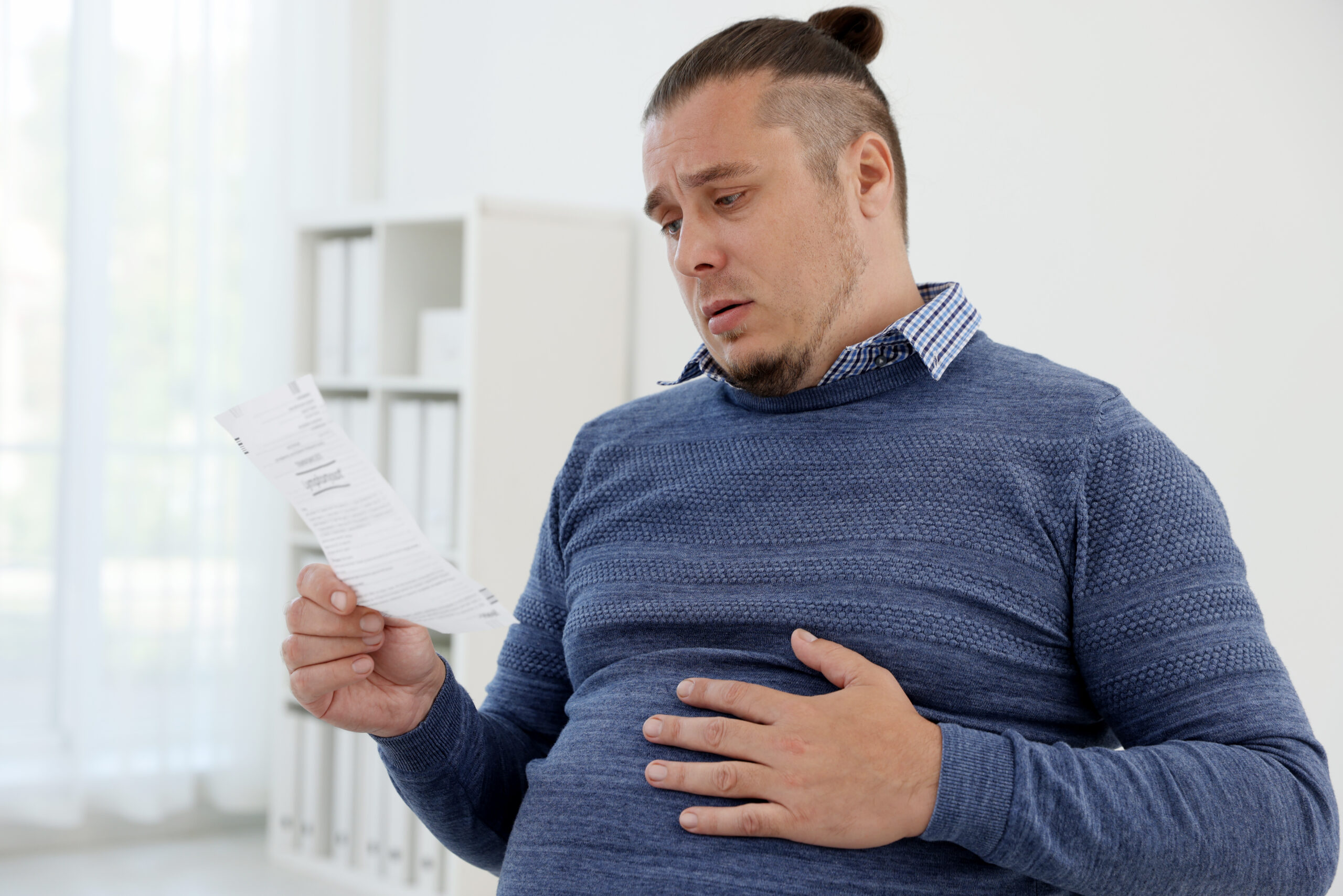
Early dumping syndrome is the most common form and usually happens within thirty minutes of eating a meal. This occurs when the rapid movement of food causes the small intestine to expand quickly. If you have recently had a gastric sleeve or bypass, you might notice a sudden feeling of fullness or bloating even after just a few bites. This can be followed by abdominal cramping or an urgent need to use the bathroom.
Beyond the digestive tract, early dumping also affects your circulatory system. You might feel your heart racing or experience a sudden wave of warmth and sweating. Some patients describe feeling dizzy or lightheaded, almost as if they need to lie down immediately. These symptoms are your body’s reaction to the sudden shift in fluid and the release of various hormones. While these episodes can be distressing when they first happen, they typically pass within an hour. The best way to handle an early episode is to find a quiet place to rest and wait for the sensations to subside.
Late Dumping Syndrome Symptoms
Late dumping syndrome is a bit different because it occurs one to three hours after you have finished eating. This type is specifically related to how your body handles sugar and insulin. When a high-sugar meal enters the small intestine rapidly, your body absorbs the sugar quickly, causing your blood glucose levels to spike. In response, your pancreas releases a massive amount of insulin to bring that sugar level down.
The problem is that the insulin response is often too strong, leading to a sudden drop in blood sugar, also known as hypoglycemia. This is why you might feel shaky, confused, or extremely tired several hours after a meal. Some people even experience cold sweats or a feeling of intense hunger despite having eaten recently. If you have had a gastric sleeve, you might find that late dumping is less frequent than in bypass patients, but it still requires careful management of carbohydrate intake to keep blood sugar levels stable throughout the day.
How to Avoid Dumping After Gastric Sleeve Surgery
The good news is that preventing these episodes is largely within your control through simple dietary adjustments. One of the most effective strategies for those who have had a gastric sleeve or bypass is to separate your eating and drinking. Try to avoid drinking any liquids for thirty minutes before and after your meals. This prevents the liquid from washing the food out of your stomach too quickly, which is a major trigger for dumping symptoms.
Another key tip is to focus on the quality of your carbohydrates. High-sugar foods like soda, candy, and even some fruit juices are the most common culprits. Instead, focus on complex carbohydrates and lean proteins that take longer to digest. Eating smaller, more frequent meals throughout the day rather than three large ones can also take the pressure off your digestive system. When you eat, take your time and chew your food thoroughly to ensure it is as broken down as possible before it reaches your small intestine.
Practical Lifestyle Changes for Long-Term Success
Living with a bypass or a gastric sleeve means becoming an expert on how your body reacts to different ingredients. Keeping a food diary can be incredibly helpful during the first few months. By jotting down what you ate and how you felt afterward, you can quickly identify which foods are safe and which ones trigger a dumping episode. Most patients find that over time, their sensitivity decreases, and they can tolerate a wider variety of foods as their body adapts to the new anatomy.
In addition to monitoring what you eat, pay attention to the temperature of your food. Sometimes very hot or very cold items can trigger a reaction in a sensitive stomach. Aim for room temperature or lukewarm foods if you find you are having frequent issues. Also, remember that protein should always be the star of your plate. Protein helps slow down digestion and provides the necessary nutrients for healing and muscle maintenance. By prioritizing protein and healthy fats over simple sugars, you create a much more stable environment for your digestive system to function.
Conclusion
Understanding what is dumping syndrome after gastric bypass is a powerful tool in your weight loss toolkit. While the symptoms of nausea, dizziness, and rapid heartbeat can be uncomfortable, they serve as an effective teacher to help you stay on track with your nutritional goals. Whether you are managing your recovery after a gastric sleeve or a bypass, the secret to success lies in eating slowly, choosing the right nutrients, and avoiding the high-sugar traps that lead to discomfort. By making these small but significant lifestyle changes, you can ensure that your journey toward health is as smooth and rewarding as possible. Remember that your medical team is always there to support you, so do not hesitate to reach out if you need further guidance on your post-operative diet.