
If you are on a weight loss journey using a temporary gastric balloon, congratulations—you have taken a significant step toward a healthier life. The gastric balloon system is designed to be a temporary tool, typically staying in place for six months to a year, depending on the type of balloon used. While the insertion process felt like the beginning of a transformation, the time eventually comes for the next big step: the removal.
This transition marks a monumental achievement. You have spent months adapting to smaller portions, changing your relationship with food, and establishing vital new habits. It is natural to feel a mix of excitement, nervousness, and perhaps a bit of apprehension about the procedure itself. Understanding what happens during the process of Gastric Balloon Removal is key to approaching it with confidence and ensuring your continued success afterward.
The good news is that the retrieval procedure is designed to be straightforward, safe, and minimally invasive, mirroring the process of insertion. It is a quick outpatient procedure that completes the temporary phase of your weight loss tool and moves you firmly into the long-term maintenance phase.
Understanding the Endoscopic Balloon Removal Procedure
When you approach the scheduled date for your removal, you will follow a specific set of preparatory guidelines provided by your clinical team. These instructions are essential for ensuring the safest and easiest procedure possible. Typically, the preparation involves fasting for several hours before the procedure. This ensures your stomach is completely empty, which is a necessary step when performing any endoscopic procedure.
The retrieval is carried out by a specialized physician and usually takes less than 30 minutes. Since safety and comfort are the top priorities, this procedure is performed under light sedation. Unlike major surgery, you will not need general anesthesia, meaning the risks associated with the procedure are very low.
The Preparation Phase
Preparation for Gastric Balloon Removal begins well before you arrive at the clinic. Your medical team will instruct you to adhere to a clear liquid diet for a specified period—usually 24 to 48 hours—leading up to the procedure. Following this, you will need to fast entirely (no food or drink) for approximately 12 hours before the scheduled appointment. These steps minimize stomach contents and reduce the potential risks associated with the endoscopy.
The Procedure Step-by-Step
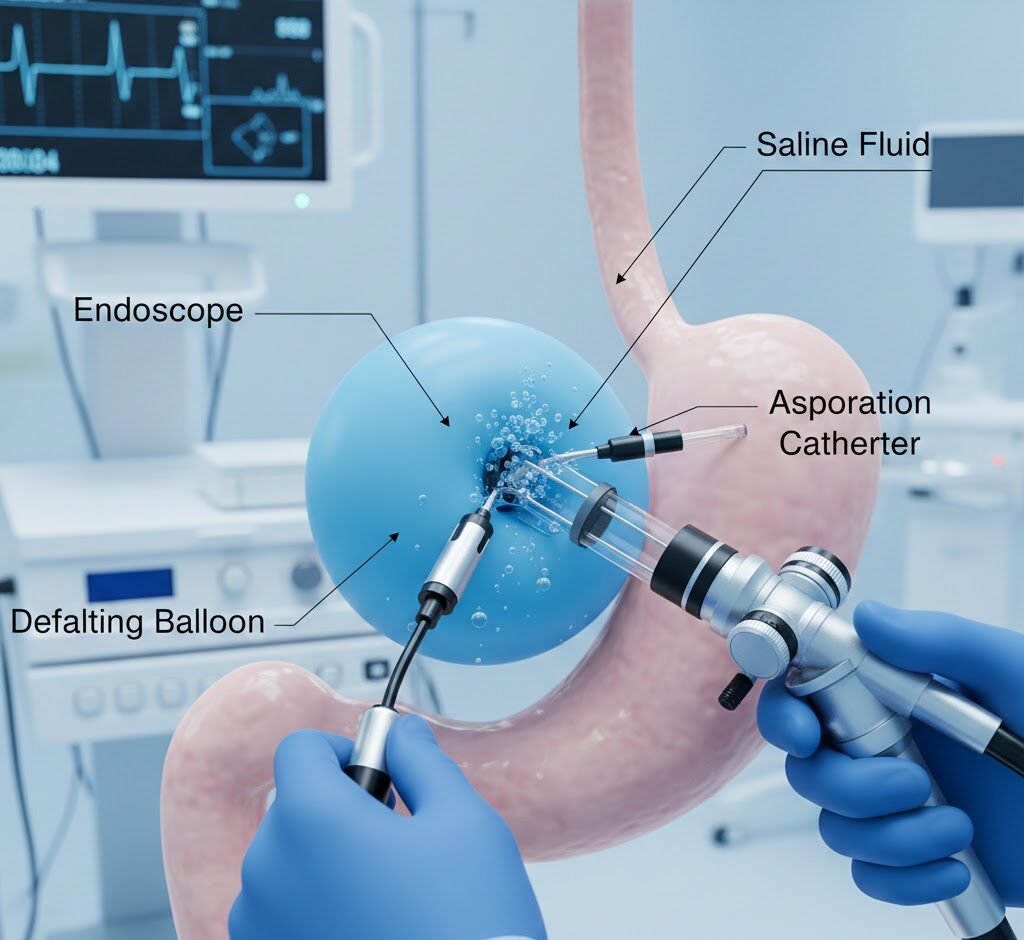
Once you are situated in the procedure room and the light sedation has taken effect, the physician will begin the removal process. The process starts with the careful insertion of an endoscope—a thin, flexible tube equipped with a light and camera—down your throat and into your stomach. This allows the doctor to visualize the balloon clearly.
The key to the successful Gastric Balloon Removal is deflation. Using specialized instruments passed through the endoscope, the doctor will puncture the balloon and then safely aspirate (suction out) the sterile saline solution or air that was used to inflate it. Once completely deflated, the balloon material becomes soft and flexible, allowing it to be carefully grasped using retrieval tools attached to the endoscope. Finally, the collapsed balloon is gently guided back up the esophagus and out of the mouth. The entire process is brief, typically lasting about 15 to 20 minutes from start to finish.
How Long Does the Recovery Take?
Since Gastric Balloon Removal is an outpatient procedure performed under light sedation, the recovery is remarkably fast. Most patients feel groggy immediately afterward due to the sedative, requiring monitoring for about an hour in the recovery area. You will need a trusted friend or family member to drive you home, as you cannot operate heavy machinery or drive for 24 hours following sedation.
Within 24 hours, most people feel completely back to normal. Some patients may experience mild soreness in the throat or slight nausea immediately following the procedure, but these symptoms are temporary and easily managed.
Transitioning to Life After Gastric Balloon
The removal of the balloon is not the end of your weight loss journey—it is the transition to the most important phase: maintaining your results. The balloon served its purpose by teaching you portion control and giving you a head start. Now, it is up to your established habits to keep the momentum going. Successfully navigating life after gastric balloon requires commitment to the dietary and behavioral changes you implemented while the device was in place.
Immediate Recovery and Post-Procedure Diet
For the first few days following the Gastric Balloon Removal, your clinical team will recommend that you stick to a gentle, transitional diet. This usually involves liquids and soft, bland foods. This temporary dietary modification helps your stomach adjust to having its full capacity back without the physical presence of the balloon. Gradually, over the next week or two, you will resume your regular, healthy maintenance diet—the one you practiced while the balloon was inserted.
Maintaining Results
The major challenge after removal is resisting the temptation to revert to old eating patterns. Because the physical restriction is gone, you must rely entirely on the mindful eating and portion control skills you developed. Maintaining results long-term involves several key components: consistently tracking food intake, adhering to a structured exercise routine, prioritizing hydration, and scheduling regular follow-ups with your dietitian or bariatric support group. Many clinics offer ongoing behavioral therapy and nutritional counseling specifically designed for this maintenance phase to ensure you do not regain weight.
Potential Side Effects and When to Call Your Doctor
While the removal is generally safe, it is important to be aware of potential, though rare, side effects. Mild throat discomfort or temporary mild abdominal cramping are common. However, you should immediately contact your medical team if you experience severe abdominal pain, persistent vomiting, fever, or difficulty swallowing. These symptoms are rare but require immediate medical attention to rule out complications.
The removal of your gastric balloon marks a pivotal achievement in your weight loss story. By understanding the procedure and committing fully to the lifestyle changes you have mastered, you are perfectly positioned to sustain your success and enjoy a healthier, more confident future.