
Finding a sustainable path to health can often feel like an uphill battle, especially when traditional diet and exercise programs do not yield the desired results. For many individuals struggling with obesity and related health conditions, medical intervention offers a beacon of hope. One of the most effective and widely recognized solutions is the laparoscopic gastric bypass. This advanced surgical procedure has helped thousands of people reclaim their lives, improve their mobility, and reverse serious health issues like type 2 diabetes and high blood pressure.
By utilizing minimally invasive techniques, the laparoscopic gastric bypass provides a safer and faster way to achieve significant weight loss compared to older, open-surgery methods. If you have been searching for a way to jumpstart your wellness journey and want to understand how this procedure works, you are in the right place. In this guide, we will break down everything you need to know about this life-changing surgery and how it compares to other popular options available today.
Comparing Laparoscopic Gastric Bypass and Gastric Sleeve
When considering weight loss surgery, many patients find themselves weighing the pros and cons of the laparoscopic gastric bypass against the gastric sleeve. Both procedures are designed to reduce the size of the stomach, but they achieve this in different ways. The gastric sleeve involves removing a large portion of the stomach to leave a narrow tube or sleeve. This limit on stomach capacity means you feel full much faster. However, the gastric bypass goes a step further by not only creating a small stomach pouch but also rerouting a portion of the small intestine. This dual approach helps with both restriction and malabsorption, meaning your body absorbs fewer calories from the food you eat.
Choosing between a gastric sleeve and a bypass often depends on your specific health goals and medical history. For instance, individuals with severe acid reflux often find that the bypass procedure provides better relief than the sleeve. On the other hand, some patients prefer the sleeve because it does not involve rerouting the intestines. During your consultation, a surgeon will look at your body mass index, your eating habits, and any underlying conditions to help you decide which path is most likely to lead to long-term success. Both methods are highly effective, but the bypass remains the gold standard for those looking for significant metabolic changes.
How to Decide Between a Gastric Sleeve and a Gastric Bypass
The decision to undergo a gastric sleeve or a gastric bypass is a personal one that should be made in close partnership with a medical team. While the gastric sleeve is often seen as a simpler procedure because it does not alter the intestinal tract, the laparoscopic gastric bypass is frequently recommended for patients who need to lose a larger amount of weight or who have poorly controlled metabolic diseases. The way the bypass alters gut hormones can lead to an almost immediate improvement in blood sugar levels, which is a major advantage for those dealing with diabetes.
In addition to physical health, lifestyle factors play a huge role in the decision. Patients who choose the gastric sleeve might experience a slightly more gradual weight loss, whereas those opting for the bypass often see rapid results in the first six to twelve months. It is also important to consider the potential for vitamin deficiencies. Because the bypass involves intestinal rerouting, patients must be more diligent about taking daily supplements to ensure their bodies get the nutrients they need. Regardless of the choice, both procedures require a total commitment to a new way of eating and living.
What to Expect During the Surgical Procedure
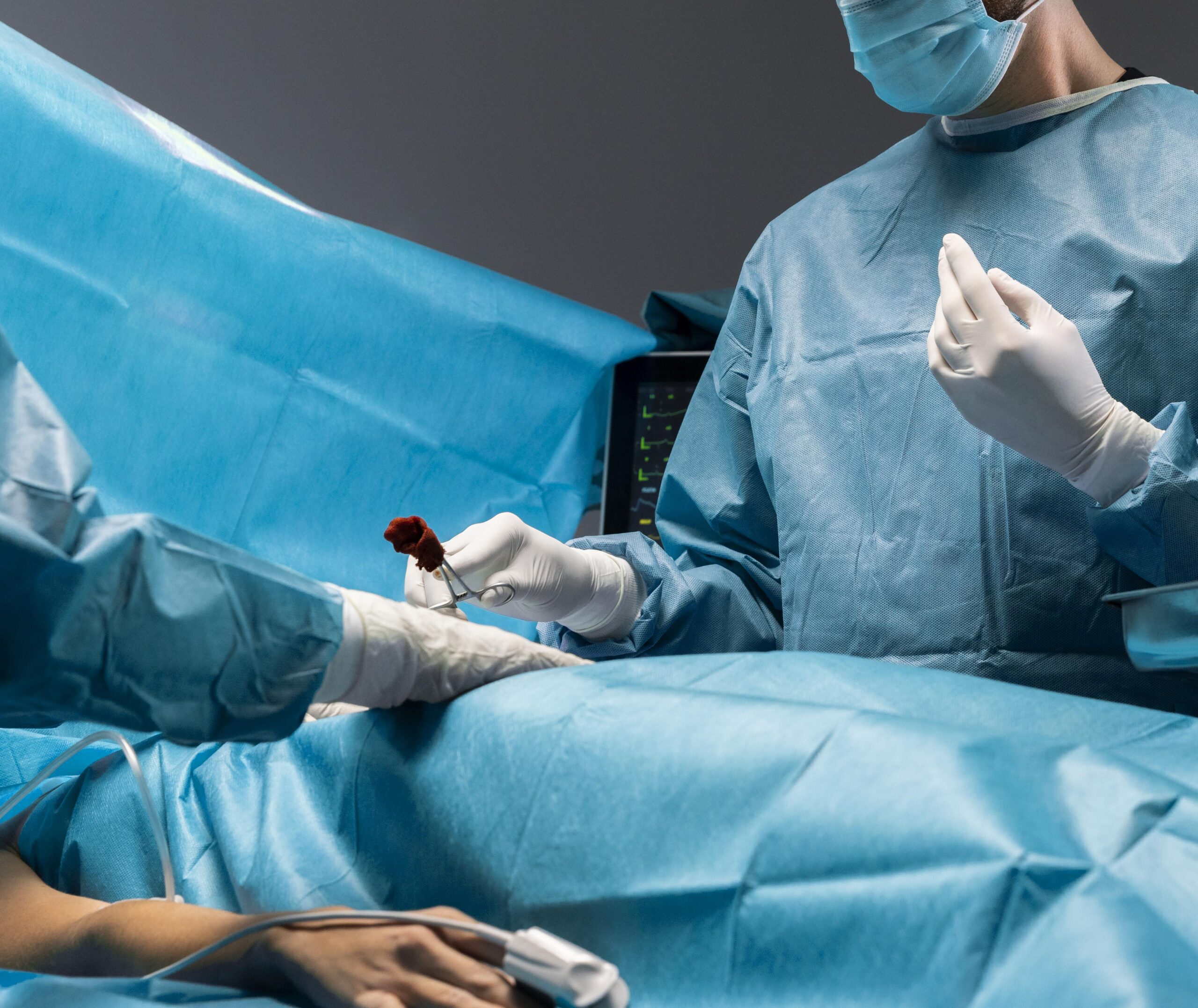
The thought of surgery can be intimidating, but modern technology has made the laparoscopic gastric bypass much less invasive than it used to be. Instead of one large incision, surgeons use several tiny openings to insert a camera and specialized tools. This approach leads to less pain after the operation and a much shorter stay in the hospital. Most patients are up and walking within a few hours of the procedure, which helps prevent complications like blood clots and aids in the overall healing process.
The actual surgery typically takes a few hours. During this time, the surgeon creates a small pouch at the top of the stomach and connects it directly to the middle part of the small intestine. This bypasses the rest of the stomach and the upper part of the bowel. By skipping these sections, the amount of food you can hold is limited, and the way your body processes energy is fundamentally changed. It is a highly precise process that combines surgical skill with the latest medical equipment to ensure the highest levels of safety and efficacy.
Navigating the Recovery and Healing Process
Recovery from a laparoscopic gastric bypass is a phased journey that requires patience and discipline. In the first few weeks, your diet will transition from clear liquids to pureed foods and eventually to soft solids. This slow progression gives your new stomach pouch and intestinal connections time to heal without being stressed by heavy or hard-to-digest foods. You will work closely with a nutritionist who will guide you through these stages, ensuring you stay hydrated and meet your protein goals even when your appetite is low.
Most people find they can return to work and light activities within two to four weeks. However, full recovery and adjustment to the new digestive system can take a few months. During this time, it is common to experience changes in how you perceive taste and smell. You may also find that certain foods you once loved no longer sit well with you. This is all part of the body recalibrating itself. Staying active with gentle walks and attending support groups can make a huge difference in how you feel both physically and emotionally during this transition period.
Long Term Success and Lifestyle Maintenance
The true power of the laparoscopic gastric bypass lies in its ability to act as a tool for long-term transformation. While the surgery provides a massive head start, maintaining your weight loss requires a permanent shift in habits. This includes choosing nutrient-dense foods, practicing mindful eating, and incorporating regular physical activity into your daily routine. Success is not just measured by the number on the scale, but by the increase in your energy levels and the improvement in your overall quality of life.
Regular follow-up appointments are crucial to monitor your health and nutritional status. Your medical team will perform periodic blood tests to ensure your vitamin levels are optimal and to cheer you on as you reach new milestones. Many patients find that the mental and emotional benefits of the surgery are just as impactful as the physical ones. As the weight comes off, many people report feeling a renewed sense of confidence and a desire to engage in activities they previously avoided.
Conclusion
The journey toward a healthier version of yourself is a brave and significant step. Choosing a laparoscopic gastric bypass can be the catalyst that finally makes your health goals a reality. By understanding the differences between this procedure and the gastric sleeve, and by preparing yourself for the lifestyle changes ahead, you are setting the stage for a successful and vibrant future. Remember that weight loss surgery is not a quick fix, but a powerful instrument that, when used correctly, can help you lead a longer and more fulfilling life. If you are ready to take control of your health, consult with a specialist today to see if this path is right for you.