
If you’ve been scrolling through social media, chances are you’ve seen incredible weight loss transformations linked to one destination: Turkey.
Once reserved for exclusive medical procedures, bariatric surgery has become incredibly accessible, driving a global trend toward medical tourism. People are looking for high-quality care without the staggering price tag, and Turkey has positioned itself as the global leader for weight loss surgery.
The decision to undergo bariatric surgery, like a sleeve gastrectomy (commonly known as the gastric sleeve), is huge. It’s not just a physical transformation; it’s a commitment to a totally new life. Naturally, when considering such a major life event, safety, expertise, and cost are top priorities. That is why so many people are turning their attention to the unparalleled quality and value offered by having a gastric sleeve in Turkey.
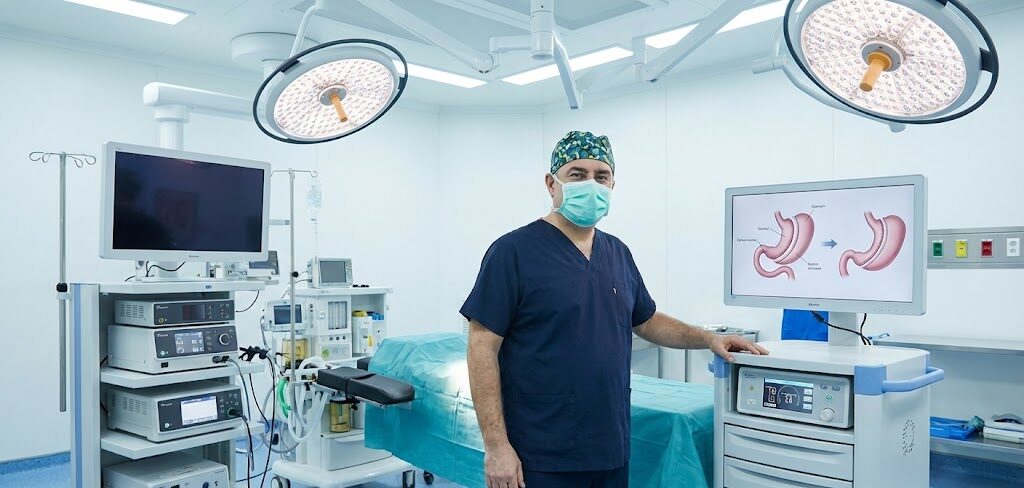
This procedure, which involves removing about 75-80% of the stomach to create a smaller, banana-shaped pouch, restricts the amount of food you can eat and significantly impacts hunger hormones. But why cross borders for this surgery? Let’s dive into why Turkey has become the number one spot for life-changing weight loss surgery.
Why Choose Turkey for Affordable Bariatric Surgery Options
The primary driver attracting international patients is the remarkable combination of expert care and significantly lower cost. Unlike many Western nations where bariatric surgery can easily top $20,000 to $30,000, the package price for a gastric sleeve in Turkey is often a fraction of that, usually including hospital stays, pre-operative testing, and sometimes even accommodation and transfers.
This isn’t about cutting corners; it’s about economics. Turkey benefits from lower overhead costs, a favorable currency exchange rate (the Turkish Lira versus major foreign currencies), and high competition among top-tier hospitals, which drives prices down while maintaining quality. The result? Patients access the exact same—or often better—technology and expertise for a much more manageable price.
The Cost Advantage
The dramatic difference in price for affordable bariatric surgery options means that patients who might have waited years on a public healthcare list or gone into massive debt can access life-saving surgery immediately. It democratizes the process, making lasting health and weight loss goals attainable for a much wider audience. However, it is crucial to look beyond the price tag and verify what is included in the package to avoid hidden fees. A trustworthy clinic will be transparent about pre-op consultations, surgical fees, anesthetist fees, and aftercare provisions.
High Standards of Care and Expertise
While the cost is appealing, the real peace of mind comes from the high standard of medical care. Turkey has heavily invested in its healthcare infrastructure, with many hospitals achieving prestigious international accreditations, such as Joint Commission International (JCI). JCI accreditation is a global benchmark for quality and patient safety, ensuring that Turkish facilities meet strict international standards.
Furthermore, Turkish bariatric surgeons are highly specialized. Due to the sheer volume of international patients seeking a gastric sleeve in Turkey, surgeons perform these procedures frequently, leading to extensive expertise and high success rates. When selecting your provider, look for surgeons who are members of international organizations like the International Federation for the Surgery of Obesity and Metabolic Disorders (IFSO).
Understanding the Gastric Sleeve Recovery Timeline and Aftercare
A gastric sleeve is a tool, not a magic fix. Success hinges on commitment, preparation, and adherence to the structured recovery process. Understanding the gastric sleeve recovery timeline is essential for planning your trip and ensuring a smooth transition back to daily life.
The Immediate Hospital Stay
Typically, the hospital stay in Turkey lasts between two and four nights. This period is critical for monitoring pain management and ensuring you handle the initial liquid phase of your post-operative diet well. The surgery is almost always performed laparoscopically (keyhole surgery), meaning recovery is generally quicker and less painful than traditional open surgery. You will be encouraged to walk soon after the procedure to prevent complications and aid healing. Most patients feel ready to travel back home approximately seven to ten days after the operation, depending on the advice of their surgeon.
Post-Op Life and Long-Term Success
The journey truly begins when you leave the hospital. The first few weeks involve a strict dietary progression—clear liquids, full liquids, pureed foods, soft foods, and finally, solid foods—usually spanning about six weeks. This slow progression protects your new stomach pouch and digestive system.
Physical recovery typically sees patients feeling strong enough for light office work or sedentary activities within two to three weeks. However, strenuous exercise should be avoided for at least six weeks. Long-term success is dictated by comprehensive aftercare, which includes dietary monitoring, vitamin supplementation, and psychological support. Reputable clinics offering a gastric sleeve in Turkey will provide structured, multi-year aftercare plans, even for international patients, often via telemedicine appointments. Choosing a clinic that prioritizes this crucial follow-up support is just as important as choosing the surgeon. This holistic approach ensures that the surgical tool translates into sustainable lifestyle changes.
Embarking on Your Health Journey
Choosing to get a gastric sleeve in Turkey is a decision many people around the world have made successfully, balancing exceptional medical expertise with impressive affordability. By prioritizing JCI-accredited hospitals and IFSO-certified surgeons, and diligently committing to the necessary lifestyle changes and the comprehensive gastric sleeve recovery timeline, you are setting yourself up for not just a procedure, but a life-altering transformation. Turkey offers a bridge to a healthier future—one defined by expertise, value, and lasting well-being.