Revisional Bariatric Surgery: What You Need To Know
revisional-bariatric-surgery-guide
Thinking about your next steps after weight loss surgery? Learn if revisional bariatric surgery is right for you. Schedule your consultation today to get started.
Revisional Bariatric Surgery: What You Need To Know
Embarking on a weight loss journey is a life-changing commitment that often leads to significant health improvements. For many, initial procedures like gastric bypass or sleeve gastrectomy provide the tools needed to reach their goals. However, weight loss journeys are rarely a straight line. Sometimes, the initial results might not be sustained, or complications may arise that require further medical attention. This is where revisional bariatric surgery becomes a vital option for patients looking to get their health back on track.
Revisional bariatric surgery is a specialized procedure performed on patients who have previously undergone weight loss surgery but have experienced complications or insufficient weight loss. It is not a sign of failure, but rather a proactive step toward long-term wellness. Whether you are struggling with weight regain, acid reflux, or other anatomical issues, modern medical advancements have made these follow-up procedures safer and more effective than ever before.
Understanding the reasons for weight regain
It is common for patients to feel discouraged when the number on the scale starts creeping back up years after their initial procedure. Understanding the reasons for weight regain is the first step toward finding a sustainable solution. In many cases, weight regain is not due to a lack of willpower, but rather a combination of hormonal shifts, lifestyle changes, and potentially anatomical changes in the stomach pouch or the bypassed intestine.
Sometimes, the stomach pouch or the connection between the stomach and the small intestine can stretch over time. When this happens, it changes the way your body signals fullness, allowing you to consume more food than you did immediately after your first surgery. Additionally, our metabolism can naturally slow down as we age, making it harder to maintain the weight loss achieved in the initial stages.
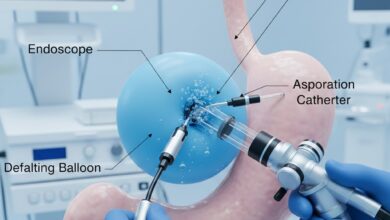
During a consultation for a secondary procedure, your surgeon will perform a thorough evaluation. This often includes an upper endoscopy or specialized imaging to see exactly what is happening inside. By identifying the root cause, such as a dilated pouch or a fistula, your medical team can determine if a revision is the safest path forward to help you regain control over your metabolic health.
Managing potential complications and side effects
Beyond weight regain, some patients face physical discomfort that impacts their quality of life. Managing potential complications and side effects is a core aspect of why someone might seek a revision. Chronic issues such as severe acid reflux, persistent nausea, or nutritional deficiencies can occur long after the original surgery. These symptoms are not just nuisances; they are signals from your body that require professional assessment to ensure your digestive system is functioning optimally.
For example, a patient who had a gastric sleeve may develop severe gastroesophageal reflux disease, commonly known as GERD. In such cases, converting the sleeve into a gastric bypass is a common and highly effective revision strategy. The bypass procedure changes the anatomy in a way that physically prevents stomach acid from traveling up into the esophagus, providing much-needed relief that medication alone often cannot achieve.
H3 Evaluating the risks versus the benefits
Every surgical intervention carries inherent risks, and it is important to have an honest conversation with your healthcare provider. Revisional bariatric surgery is generally more complex than primary procedures because the surgeon must navigate scar tissue from the previous operation. However, in the hands of an experienced bariatric team, these risks are managed through meticulous planning and advanced laparoscopic or robotic techniques. The benefits often far outweigh the risks, especially when the current complications are significantly reducing your quality of life.
H3 Preparing for a successful recovery
Recovery after a revision is similar to your first procedure, though it may feel slightly different depending on the complexity of the work performed. Nutrition remains the cornerstone of your success. Working with a registered dietitian who understands the nuances of revision patients is essential. You will need to focus on protein intake, vitamin supplementation, and mindful eating habits to support your body as it heals. Most patients find that with the right support, they can effectively return to a path of steady, healthy weight management.
Taking the next step toward better health
Choosing to pursue revisional bariatric surgery is an act of self-care and a commitment to your future. If you find that your previous procedure is no longer serving your needs, it is important to remember that you have options. Modern medical technology and experienced surgical teams are equipped to help you address both weight regain and underlying medical complications, allowing you to reclaim your health and vitality.
The most important takeaway is that you do not have to manage these challenges alone. By reaching out to a board-certified bariatric surgeon, you can gain a clear understanding of your anatomy and the specific adjustments that might help you succeed. Whether the path forward involves a simple repair or a more complex conversion, the goal remains the same: ensuring you have the support and the physical tools necessary to lead a long, healthy, and fulfilling life. Prioritize your wellbeing today by seeking professional guidance and exploring the options that best fit your unique health history.