Have you ever finished a delicious meal only to feel suddenly dizzy, nauseous, or hit by an intense wave of fatigue shortly after? If you have recently undergone stomach or esophageal surgery, these sudden shifts might not just be a food coma. You could be experiencing dumping syndrome symptoms, a common but highly manageable condition that affects how your digestive system processes what you eat.
This condition occurs when food, especially sugar and simple carbohydrates, moves too quickly from your stomach into your small intestine. This rapid dumping can trigger a flood of physical reactions that range from mild discomfort to severe distress. Understanding these signs is the first step toward reclaiming your digestive comfort, improving your nutrition, and regaining your peace of mind.
While it can feel overwhelming to navigate these sudden body changes on your own, having the right information and professional medical guidance makes all the difference. Let us dive into what these symptoms look like, why they happen, and how you can manage them to live a vibrant, comfortable, and symptom-free life.
Recognizing the Early and Late Stages of Dumping Syndrome Symptoms with Wupdoc
When it comes to identifying these digestive issues, timing is everything. Healthcare providers, like those you can easily connect with through Wupdoc, typically divide these occurrences into early and late phases depending on when they start after you eat. Knowing which category your experiences fall into can help your medical team tailor a highly effective treatment plan for you.
Early phase symptoms usually hit within ten to thirty minutes after finishing a meal. This happens because the sudden influx of food pulls water from your bloodstream into your intestines, causing rapid fluid shifts. This fluid shift can cause your blood pressure to drop, leading to systemic effects. On top of that, your gastrointestinal tract expands rapidly, triggering local discomfort that can be difficult to ignore.
Early Symptoms of Dumping
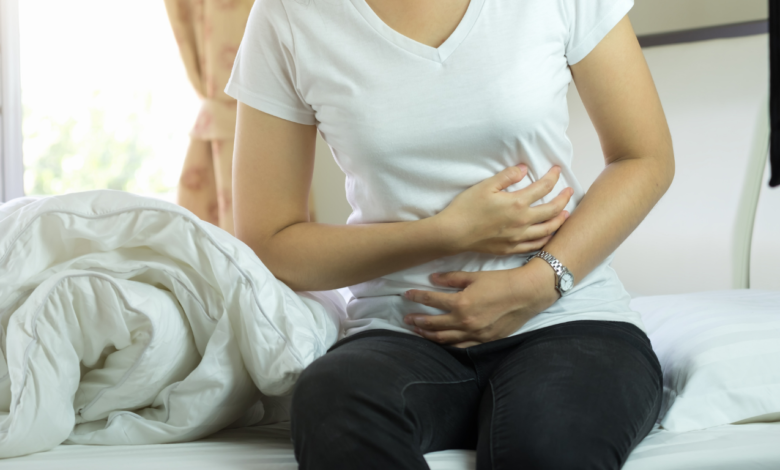
These initial signs are often a combination of cardiovascular and gastrointestinal issues. Patients frequently report sudden abdominal cramps, severe bloating, nausea, and an uncomfortable feeling of fullness after eating only a tiny amount of food. In addition, you might experience sudden watery diarrhea, an urgent need to use the restroom, and feeling lightheaded or dizzy. Many people also report physical sensations like a racing heart, flushing, or breaking out in a cold sweat right after eating.
Late Symptoms of Dumping
Late phase reactions occur one to three hours after eating. This delay happens because your body releases a massive, rapid surge of insulin to process the sugars that entered your intestine too quickly. This extreme release of insulin leads to low blood sugar, also known as reactive hypoglycemia. The signs of this phase include feeling shaky, confused, extremely weak, anxious, or intensely hungry. In some cases, people might even experience brief fainting spells if their blood sugar levels drop too rapidly.
How to Manage Your Diet and Find Medical Support on Wupdoc
Living with these challenges requires a mix of smart daily lifestyle changes and reliable professional advice. Platforms like Wupdoc are designed to connect you with experienced gastroenterologists, dietitians, and post-surgical specialists who can guide you through recovery. Managing this condition is highly achievable once you learn how to adjust your eating patterns and work with the right experts.
Adjusting your eating habits is the most effective way to keep your digestive system happy and functioning smoothly. Instead of eating three large meals a day, aim for six smaller, nutrient-dense meals spaced evenly throughout the day. This prevents your stomach from emptying too much food into the intestines at one time. Additionally, you should avoid drinking liquids with your meals. Sip water, tea, or other beverages thirty minutes before or after eating to slow down the speed of digestion.
Diet and Nutrition Tips
Focus on eating high-protein, high-fiber foods while cutting back on simple sugars and highly processed carbohydrates. Foods like chicken, fish, eggs, tofu, oatmeal, and non-starchy vegetables are excellent choices that digest slowly. Reducing your intake of sweet drinks, candies, and baked goods prevents the rapid insulin spikes that cause late-phase sweating, shaking, and weakness. Lying down for about thirty minutes after eating can also help slow down the movement of food through your digestive tract.
Professional Medical Guidance
If lifestyle and dietary tweaks do not bring enough relief, it is crucial to consult a healthcare provider. Medical professionals can prescribe medications that slow down the emptying of your stomach or recommend other therapeutic options to ease your symptoms. By using Wupdoc, you can easily browse qualified doctor profiles, read authentic patient reviews, and book appointments with specialists who understand your unique health journey and can offer personalized medical advice.
Conclusion
Dealing with dumping syndrome symptoms can be frustrating and disruptive, but it does not have to control your daily life. By recognizing the early and late signs, modifying your daily diet, and partnering with experienced medical specialists through trustworthy platforms, you can regain control of your health. Do not hesitate to seek the professional support you deserve so you can start feeling comfortable, energized, and like yourself again.