Embarking on a transformative health journey often leads people to explore various medical options that can help them achieve their long term wellness goals. One of the most significant changes a person can experience during this process is the creation of a gastric pouch. This small, newly formed stomach section is the powerhouse behind several types of weight loss surgeries, acting as a tool to help you regain control over your appetite and portion sizes. While the concept might seem a bit clinical at first, understanding how your gastric pouch works is the secret to making your new lifestyle feel second nature.
The transition to living with a gastric pouch is both an emotional and physical shift. In the early stages of your journey, you might feel a mix of excitement and curiosity about how your body will react to different foods and smaller meals. This feeling is completely normal. The key is to view this change not as a restriction, but as a supportive partner in your health journey. By treating your pouch with care and learning the best ways to nourish it, you can ensure that the results you achieve are sustainable and life changing.
Maximizing Your Gastric Pouch for Bariatric Surgery Success
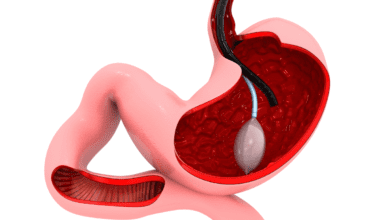
The primary function of the gastric pouch is to limit the amount of food you can consume in one sitting. During a bariatric procedure, the surgeon separates a small portion of the stomach from the rest, creating a thumb-sized container that holds significantly less than the original stomach. This change directly impacts how quickly you feel full. Because the pouch is much smaller, the nerves in the stomach wall send signals to your brain much faster, letting you know that you have had enough to eat. This biological shortcut is a major factor in achieving bariatric surgery success because it takes the guesswork out of portion control.
The Science of Satiety and Hormones
Beyond just the physical size, the gastric pouch plays a fascinating role in how your hormones behave. The part of the stomach that is bypassed usually produces a hormone called ghrelin, which is often referred to as the hunger hormone. When your pouch is created, the production of this hormone is typically reduced, meaning you will likely experience fewer cravings and less intense hunger than you did before. This hormonal shift works in tandem with the physical restriction to help you stay on track with your nutritional goals without feeling like you are constantly fighting against your own body.
Understanding the Pouch Reset Concept
Over time, some people worry that their gastric pouch has stretched or that they are losing the sense of fullness they once had. It is important to know that while the pouch can slightly expand to accommodate food, it is a very resilient organ. Many people find success by performing what is often called a pouch reset, which involves returning to the basic principles of bariatric eating for a few days. This helps to recalibrate your internal signals and reminds you of how much volume your pouch can comfortably handle. Staying in tune with these physical cues is essential for maintaining your progress over the years.
Adopting Healthy Eating Habits for Your New Stomach
To keep your gastric pouch functioning at its best, you must adopt specific healthy eating habits that respect its new size and shape. Since the pouch is small, the quality of the food you put into it becomes more important than ever. You are essentially working with a limited amount of real estate, so every bite should be packed with nutrients. This means prioritizing lean proteins, fiber rich vegetables, and healthy fats. By focusing on high quality fuel, you provide your body with what it needs to thrive while keeping your calorie intake within a range that supports continued weight management.
The Importance of Chewing and Pacing
One of the most vital healthy eating habits to master is the art of slow eating. Because the opening from your gastric pouch into the small intestine is narrow, large chunks of food can cause discomfort or even blockages. You should aim to chew each bite until it reaches a consistency similar to applesauce. Additionally, pausing between bites gives your brain time to register the fullness signals coming from your pouch. Many experts recommend taking at least twenty to thirty minutes to finish a small meal. This mindful approach not only protects your pouch but also allows you to enjoy the flavors of your food more deeply.
Hydration Strategies and Timing
Staying hydrated is a cornerstone of health, but when you have a gastric pouch, the timing of your fluid intake matters. Drinking liquids while you eat can flush food out of the pouch too quickly, leading to a phenomenon known as dumping syndrome or simply making you feel hungry sooner. To avoid this, it is best to stop drinking thirty minutes before a meal and wait thirty minutes after you finish eating before taking a sip. This ensures that the solid food stays in your pouch long enough to provide a lasting sense of fullness, which is a key component of long term success.
The Role of Consistency and Support
Maintaining a gastric pouch is a lifelong commitment that requires consistency. While the physical changes from surgery provide a massive head start, the psychological and behavioral changes are what carry you across the finish line. Surrounding yourself with a supportive community, whether it is a local support group or an online forum of people sharing similar experiences, can provide the encouragement needed during challenging times. Remember that your gastric pouch is a tool, and like any tool, it works best when it is used correctly and maintained with care.
Conclusion
Living with a gastric pouch is a powerful way to redefine your relationship with food and your body. By understanding the physical and hormonal changes that occur after surgery, you can move forward with confidence and clarity. The journey involves more than just eating less; it is about eating better, slowing down, and listening to the subtle signals your body sends you every day. When you prioritize healthy habits and respect the unique needs of your pouch, you set the stage for a vibrant, healthy, and fulfilling life. Keep focused on your goals, stay patient with your progress, and celebrate the incredible strength it took to choose a healthier future.