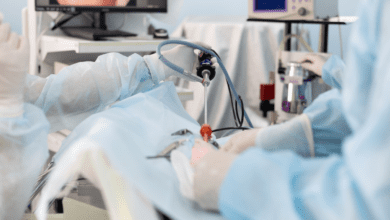

Are you tired of trying every new diet trend with little to no lasting results? If you have struggled with chronic obesity and traditional methods have failed, you are certainly not alone. Many people reach a point where they need extra support to reclaim their health and vitality. This is where medical interventions come into the picture, offering a fresh start for individuals who qualify.
Embarking on this journey is a major decision that requires careful thought, research, and guidance from medical professionals. It is not just about changing how your body looks on the outside. It is about fundamentally transforming your relationship with food, boosting your energy levels, and reducing the risk of weight related health conditions like type two diabetes and high blood pressure.
Understanding The Different Types Of Procedures
When exploring weight loss surgery options, you will find that medical science offers several distinct paths. Each procedure is designed to alter your digestive system in a specific way, helping you consume less food and, in some cases, absorb fewer nutrients. Choosing the right path depends heavily on your medical history, your current lifestyle, and your ultimate health goals.
The gastric sleeve has quickly become one of the most popular choices worldwide. During this procedure, a surgeon removes a large portion of your stomach, leaving behind a banana shaped sleeve. This smaller stomach holds significantly less food, meaning you feel full much faster. Additionally, removing part of the stomach reduces the production of ghrelin, the hormone responsible for making you feel hungry. This double action helps curb your appetite and supports steady, long term results.
Another well established option is gastric bypass surgery. This procedure is slightly more complex and involves two main steps. First, the surgeon creates a small pouch at the top of your stomach. Next, they reroute a portion of your small intestine directly to this new pouch. By doing this, food bypasses a large part of your stomach and the upper section of your small intestine. This limits the amount of calories and nutrients your body can absorb, giving you a powerful tool for major transformations.
Preparing For Your Journey And Recovery
Preparing for this life changing step goes far beyond picking a date on the calendar. Medical teams typically require months of preparation before the actual operation takes place. This preparation phase is crucial for ensuring your safety and setting you up for long term success. You will meet with dietitians, psychologists, and specialized surgeons who will evaluate your readiness and help you build healthier habits.
Lifestyle adjustments begin long before you enter the operating room. Most doctors require patients to follow a pre operative diet to shrink the liver and reduce fat around the abdomen. This makes the surgical process much safer and lowers the risk of complications. Furthermore, quitting smoking, increasing physical activity, and addressing emotional eating habits are all vital parts of the preparation process.
The recovery phase requires patience and strict adherence to medical guidelines. Immediately after the procedure, your diet will transition through specific stages, moving from clear liquids to pureed foods, and eventually back to solid foods. Eating slowly, chewing thoroughly, and listening to your body become your new daily habits. Regular follow up appointments with your healthcare team ensure that your body is healing properly and that you are meeting your nutritional needs.
Life after the procedure is an ongoing journey of adaptation. While the physical changes will be remarkable, the mental and emotional adjustments are equally important. Support groups, counseling, and staying active play massive roles in helping you maintain your new lifestyle for years to come.
Deciding to undergo weight loss surgery is a brave and personal choice that can lead to incredible health benefits and a renewed lease on life. By understanding the different procedures, committing to thorough preparation, and embracing lifelong lifestyle changes, you can achieve sustainable results. Always consult with a qualified healthcare professional to discuss your options and determine the safest path forward for your unique body and goals.